
Health Tracking Goes Skin-Deep: Patches, Tattoos, and Molecular Sensors
Say goodbye to bulky wearables. The next frontier in health tracking sticks, stretches, or sinks into your skin—with a level of insight that was once science fiction.
🩺 Introduction: Beyond the Wrist
Smartwatches helped us count steps and track sleep. But in 2025, we want more—more accuracy, more bio-data, and more passive tracking. And that’s exactly what the next generation of health tech delivers.
From microneedle patches to biochemical tattoos and molecular-level skin sensors, we’re entering a new era where your body becomes the interface—and your skin tells the full story.
🔍 What Are Skin-Based Health Trackers?
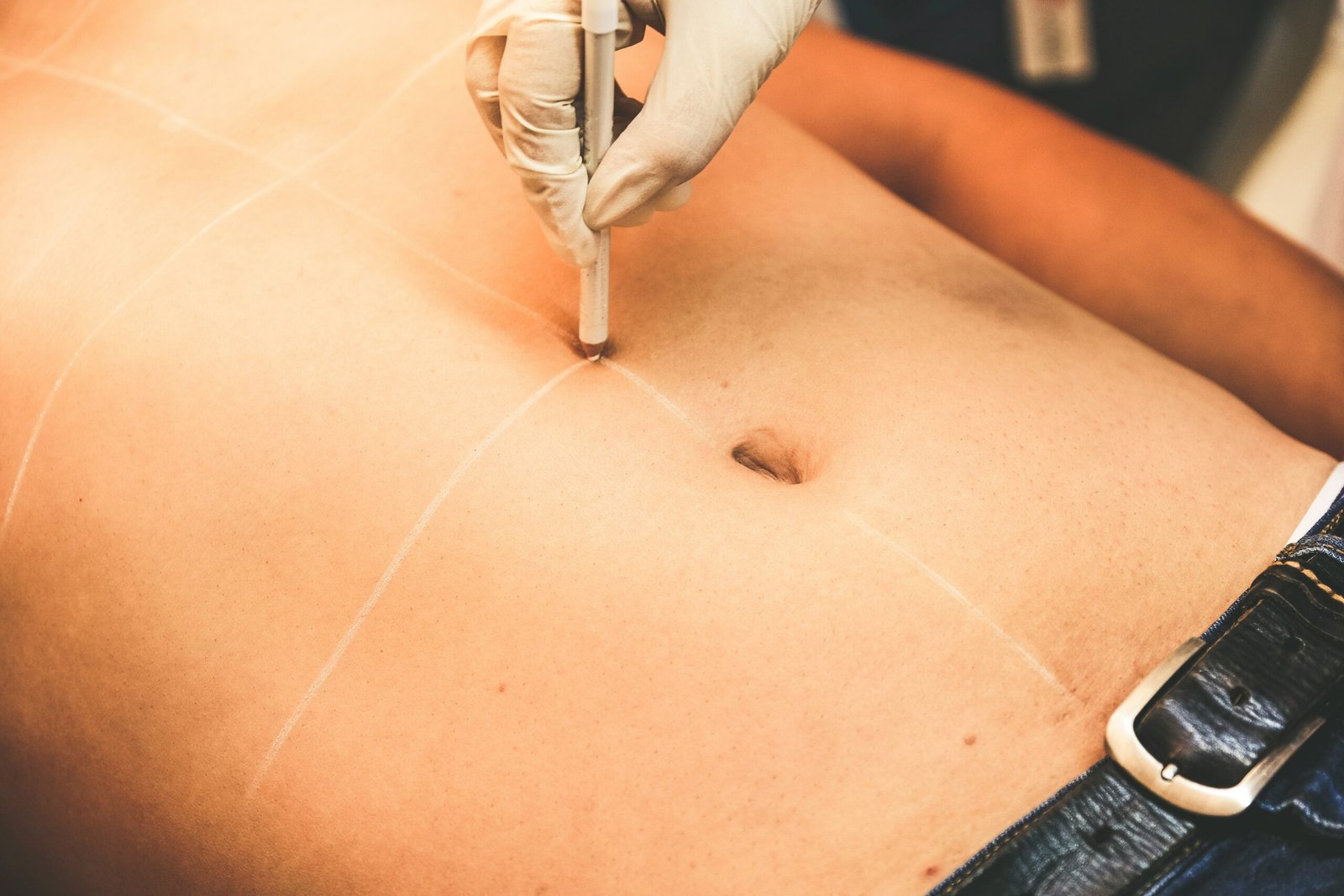
Unlike wearables that sit on the wrist or clip onto clothes, skin-based sensors are applied directly to the skin—some even integrate into its outer layers.
These can:
- Continuously track biomarkers like glucose, lactate, hydration, cortisol
- Deliver medication or detect infections in real-time
- Provide more accurate, continuous data than optical-based wrist trackers
They come in forms like:
- Adhesive patches
- Temporary tattoos
- Microneedles or bio-gels
- Smart bandages or stickers
🧪 How Do They Work?
Skin-based health sensors use cutting-edge technologies like:
| Technology | Function |
|---|---|
| Microneedles | Painlessly access interstitial fluid to read biomarkers |
| Electrochemical biosensors | Detect specific molecules (like glucose or cortisol) |
| Flexible electronics | Allow sensors to bend/stretch with your skin |
| Bio-inks & tattoos | Change color or signal data when conditions change |
| RFID/NFC modules | Transmit data to apps or readers wirelessly |
🧠 Why Go Skin-Deep?
✅ Better Accuracy
Skin sensors are closer to the blood and cellular environment than optical sensors, leading to more reliable data—especially for hydration, glucose, and stress.
✅ Always-On Monitoring
They’re designed to work passively without the need to charge or touch a screen. Ideal for patients, athletes, and even astronauts.
✅ Minimal Obstruction
No bulky bands or daily charging—just a small patch or bio-tattoo you forget is even there.
🌟 Top Skin-Tracking Tech of 2025
| Product | What It Tracks | How It Works | Price (Est.) |
|---|---|---|---|
| Abbott Lingo | Glucose, ketones, lactate | Microneedle patch + NFC reader | ₹7,000/month ($85) |
| Gatorade Gx Sweat Patch | Electrolyte loss, hydration | Color-changing patch | ₹800/patch ($10) |
| MC10 BioStamp | Motion, muscle, vitals | Medical-grade sensor sticker | ₹12,000 ($145) |
| Chaotic Moon Tech Tattoo (prototype) | Biometric ID + vitals | Conductive ink tattoo | N/A (in development) |
| Graphene Skin Tattoo (Univ. of Texas) | Heart, muscle, brain signals | Ultra-thin, battery-free | N/A (research stage) |
⚕️ Medical Use Cases Expanding Rapidly
These aren’t just wellness toys. Skin-based sensors are being adopted in real healthcare settings.
🩺 Diabetes Management
- Continuous glucose monitoring (CGM) patches are replacing finger pricks
- Abbott and Dexcom leading the charge with discreet, accurate tech
🧘 Stress & Cortisol Monitoring
- New sensors track cortisol levels to understand burnout or anxiety patterns
🧑⚕️ Hospital Monitoring
- Smart bandages detect infection, temperature, wound healing progress
- Reduces the need for repeated hospital visits
🏃 Sports & Recovery
- Measure lactate and hydration levels to optimize training
- Muscle activity patches track rehab progress and prevent injury
📲 How Does Data Sync Work?
Most skin-based trackers use:
- NFC or Bluetooth LE to sync with mobile apps
- Cloud AI platforms to analyze trends over days or weeks
- Some work with EHR systems or platforms like Apple Health or Google Fit
Data includes:
- Real-time biomarker trends
- Actionable alerts (e.g., hydrate now, glucose spike detected)
- Long-term optimization insights
⚖️ Pros & Cons
| Pros | Cons |
|---|---|
| ✅ Higher accuracy for key biomarkers | ❌ Some require replacement every 7–14 days |
| ✅ Truly passive, frictionless tracking | ❌ Not all are FDA/CE approved yet |
| ✅ Ideal for athletes, chronic care, aging adults | ❌ Still emerging in affordability for general use |
| ✅ No bulky wearables | ❌ Can trigger skin irritation (rare) |
🔒 What About Privacy?
Skin-sensing tech is incredibly intimate—it knows when you’re stressed, dehydrated, or spiking insulin.
Leading manufacturers are prioritizing:
- End-to-end encryption for data transmission
- On-device storage options (no cloud required)
- Anonymized medical reporting for hospitals and research
Still, regulatory frameworks are catching up, especially for tattoo-based biometric ID tech.
🔮 The Future: Tattoos That Think, Skin That Talks
What’s next?
- Color-shifting ink tattoos that show glucose levels visually
- Self-powered bioelectronics using your body’s motion or heat
- Digital “skins” that turn you into a living dashboard
- Personalized medication patches based on real-time diagnostics
Imagine a future where:
💬 Real Testimonials
🗣️ Runner in Mumbai:
“Switching from smartwatch to sweat patch was a game changer. I hydrate better and cramp less.”
🗣️ Type 1 Diabetic (USA):
“Abbott’s patch keeps me safe and lets me sleep without fear of overnight glucose dips.”
🗣️ Medical Researcher (UK):
“We’re piloting tattoo sensors that could eliminate the need for blood samples in remote clinics.”
🎯 Final Thoughts: Small Sensors, Big Impact
Skin-based health trackers are redefining what it means to “know your body.”
They’re discreet, powerful, and, most importantly, personalized. Whether you’re optimizing fitness or managing chronic conditions, this technology offers a window beneath the skin—one molecule at a time.