
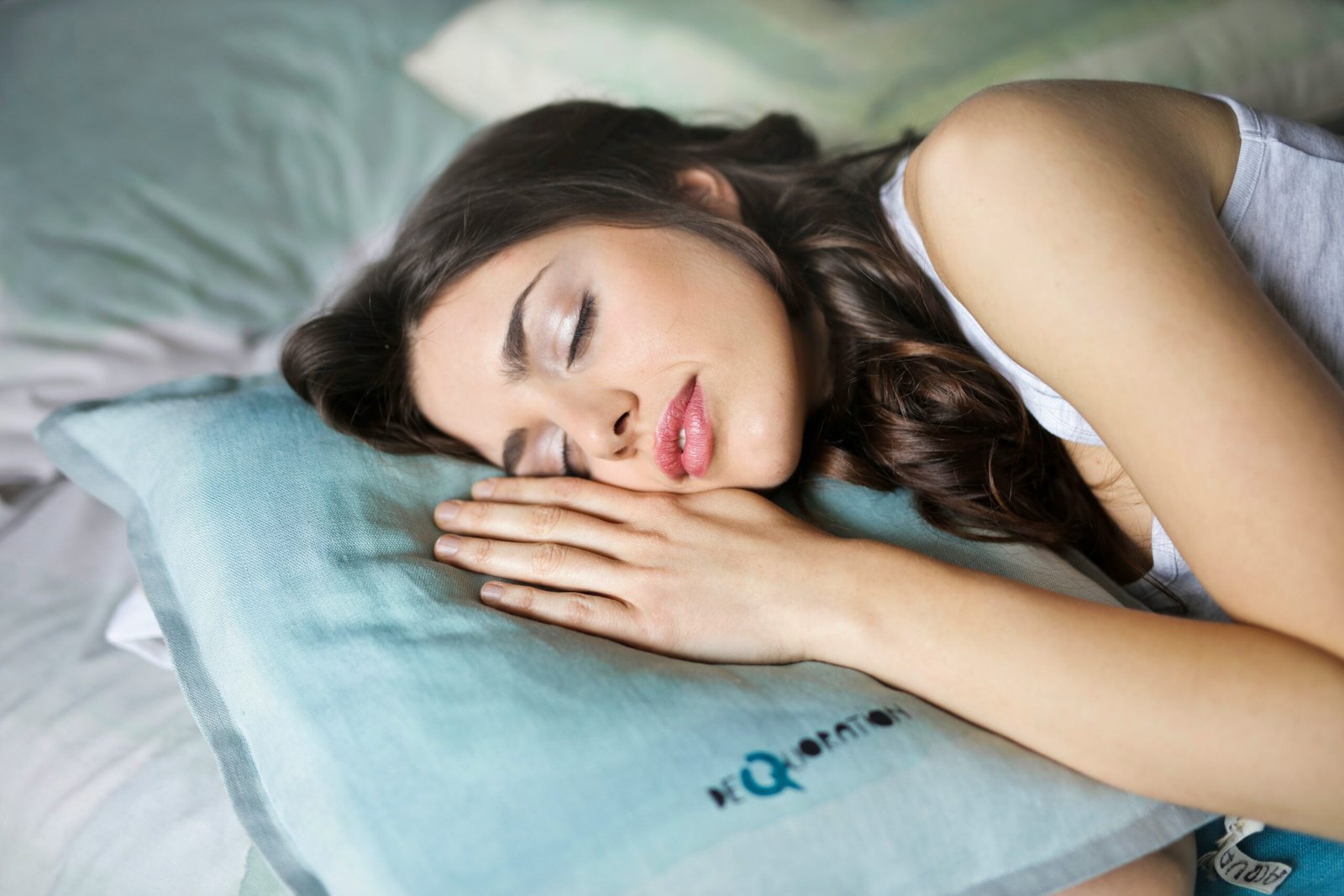
Beauty Sleep: The Science Behind How Rest Transforms Your Skin
You’ve heard the phrase “beauty sleep” a thousand times—but it turns out, it’s more than just a saying. In 2025, science continues to confirm what our grandmothers always knew: sleep is one of the most powerful, natural beauty treatments available.
From collagen production to skin hydration, nighttime is when your body—and your skin—goes into repair mode. So, if you’re investing in skincare but skipping sleep, you’re missing half the equation.
Let’s dive into the real science behind beauty sleep, and how to harness it for a healthier, more radiant complexion.
🧬 What Happens to Your Skin While You Sleep?
Your skin isn’t idle while you sleep. In fact, it’s busier than ever. Between 10 p.m. and 2 a.m., your body enters a biological “repair window” when key processes peak:
1. Cell Regeneration Accelerates
- Skin cells divide and multiply faster at night.
- This boosts the turnover of dead skin cells, making room for new, healthier ones.
2. Collagen Production Increases
- During deep sleep, growth hormones stimulate collagen synthesis, which helps:
- Reduce fine lines
- Firm the skin
- Improve elasticity
3. Blood Flow to the Skin Increases
- Enhanced circulation means better oxygen and nutrient delivery.
- This contributes to the morning “glow” when you’re well-rested.
4. Barrier Repair Is at Its Peak
- Your skin barrier heals more efficiently while you sleep.
- That’s when your moisture loss is highest, so proper hydration is critical.
🧪 What Science Tells Us
A clinical study published in the journal Clinical and Experimental Dermatology found that sleep-deprived individuals showed increased signs of aging such as:
- Fine lines
- Uneven pigmentation
- Reduced elasticity
Another study by Estée Lauder and University Hospitals Case Medical Center found that poor sleepers showed 30% more skin barrier disruption and slower recovery from environmental stressors like sun exposure.
😴 How Much Sleep Do You Really Need?
Most dermatologists and sleep experts recommend 7–9 hours of uninterrupted sleep per night for optimal skin health.
But quality matters as much as quantity. Deep, restorative sleep (Stages 3 and 4 of non-REM sleep) is when your skin truly gets to work.
🛌 How to Optimize Your Beauty Sleep
1. Cleanse Your Skin Before Bed
- Never sleep in makeup—it clogs pores and interferes with renewal.
- Use a gentle cleanser to remove dirt, oil, and pollutants.
2. Apply a Nighttime Skincare Routine
- Moisturizer: Seals in hydration and helps barrier repair.
- Retinoids or peptides: Encourage cell turnover and collagen.
- Hyaluronic acid or ceramides: Keep skin plump and hydrated.
3. Sleep on a Silk or Satin Pillowcase
- Reduces friction and minimizes wrinkles and hair breakage.
- Less likely to absorb your skincare products compared to cotton.
4. Elevate Your Head Slightly
- Helps reduce morning puffiness by preventing fluid buildup.
5. Maintain a Sleep-Friendly Environment
- Keep the room cool (60–67°F / 15–19°C)
- Use blackout curtains or a sleep mask
- Avoid blue light (phones, screens) an hour before bed
🌙 Nighttime Habits That Support Better Skin
| Habit | Skin Benefit |
|---|---|
| Going to bed at the same time daily | Regulates skin’s circadian rhythm |
| Drinking water before bed (but not too much) | Prevents dehydration overnight |
| Limiting sugar and alcohol at night | Reduces inflammation and overnight skin stress |
| Using a humidifier in dry climates | Maintains skin moisture levels |