
“Eco-Friendly Family Living: How to Raise Your Kids Sustainably”
In today’s world, raising environmentally conscious children is more important than ever. As climate change continues to impact the planet, many parents are looking for ways to raise their kids sustainably, instilling eco-friendly values and habits that will benefit both the environment and future generations. While adopting sustainable practices may seem daunting, the truth is that small changes can make a big difference.
From reducing waste to supporting sustainable businesses, eco-friendly living is something families can embrace without sacrificing comfort or convenience. In this post, we’ll explore practical tips for raising your kids sustainably and building a more eco-friendly family lifestyle in 2025.
Why Raising Eco-Conscious Kids Matters in 2025
As the world faces mounting environmental challenges, teaching children about sustainability has never been more crucial. By raising eco-conscious kids, you’re helping them develop a sense of responsibility and an understanding of their impact on the planet. In 2025, eco-friendly living has evolved beyond just reducing plastic use; it’s about creating a lifestyle that prioritizes sustainability in all aspects of life.
Here are a few reasons why raising eco-friendly kids is essential:
- Climate Change Awareness
Today’s children are growing up in an era where climate change is one of the biggest global challenges. Teaching them about the environment at an early age helps them understand the importance of taking action to protect the planet. - Building Lifelong Habits
Kids are incredibly impressionable, and the values you instill in them now can shape their behavior as adults. Raising children with sustainable habits will not only help the environment today but will also ensure they grow up to be eco-conscious adults. - Reducing Waste and Overconsumption
By teaching your kids about sustainability, you help them adopt habits that minimize waste, reduce overconsumption, and prioritize quality over quantity in everything from food to clothing.
Practical Tips for Raising Eco-Friendly Kids
Living sustainably doesn’t have to mean making huge sacrifices or overhauling your entire lifestyle. In fact, small, intentional changes can have a lasting impact on both your family’s life and the planet. Here are some simple, practical ways to raise eco-friendly kids:
1. Teach Kids the Importance of Reducing, Reusing, and Recycling
Why It Matters:
One of the foundational principles of eco-friendly living is the concept of the “three Rs”—reduce, reuse, and recycle. Teaching your children these concepts at a young age encourages them to be mindful of their consumption and waste.
How to Do It:
- Set up recycling stations in your home for paper, plastic, glass, and metal. Let your kids take charge of sorting recyclables to encourage responsibility.
- Teach them to reduce waste by reusing items like jars, boxes, or clothes. For example, instead of buying new toys, encourage hand-me-downs or toys made from recycled materials.
- Incorporate recycling into daily tasks, such as teaching them to compost food scraps or donate old clothes to charity.
Tip: Turn recycling into a fun family activity by creating a “recycling game,” where kids get rewarded for correctly sorting materials.
2. Choose Sustainable Products and Eco-Friendly Brands
Why It Matters:
The products you buy have a direct impact on the environment. From the packaging to the materials used in production, each purchase leaves a carbon footprint. By choosing eco-friendly products for your kids, you help reduce waste and promote sustainable manufacturing practices.
How to Do It:
- Opt for eco-friendly toys made from sustainable materials like wood, bamboo, or recycled plastic instead of plastic-based toys.
- When buying clothes for your kids, choose organic cotton or clothing made from sustainable fabrics like hemp or bamboo. Look for clothing brands that are transparent about their supply chain and environmental practices.
- Choose non-toxic cleaning products and natural household items to reduce your family’s exposure to harmful chemicals.
Tip: Involve your kids in the decision-making process by talking to them about the importance of buying eco-friendly products. Help them understand how their choices affect the planet.
3. Create a Green Home Environment
Why It Matters:
A sustainable home not only benefits the environment but also creates a healthier living space for your family. From energy-efficient appliances to eco-friendly décor, there are numerous ways to make your home more eco-conscious.
How to Do It:
- Install energy-efficient appliances, such as LED light bulbs, smart thermostats, and water-saving fixtures.
- Use natural cleaning products like vinegar, baking soda, and essential oils instead of harsh chemicals.
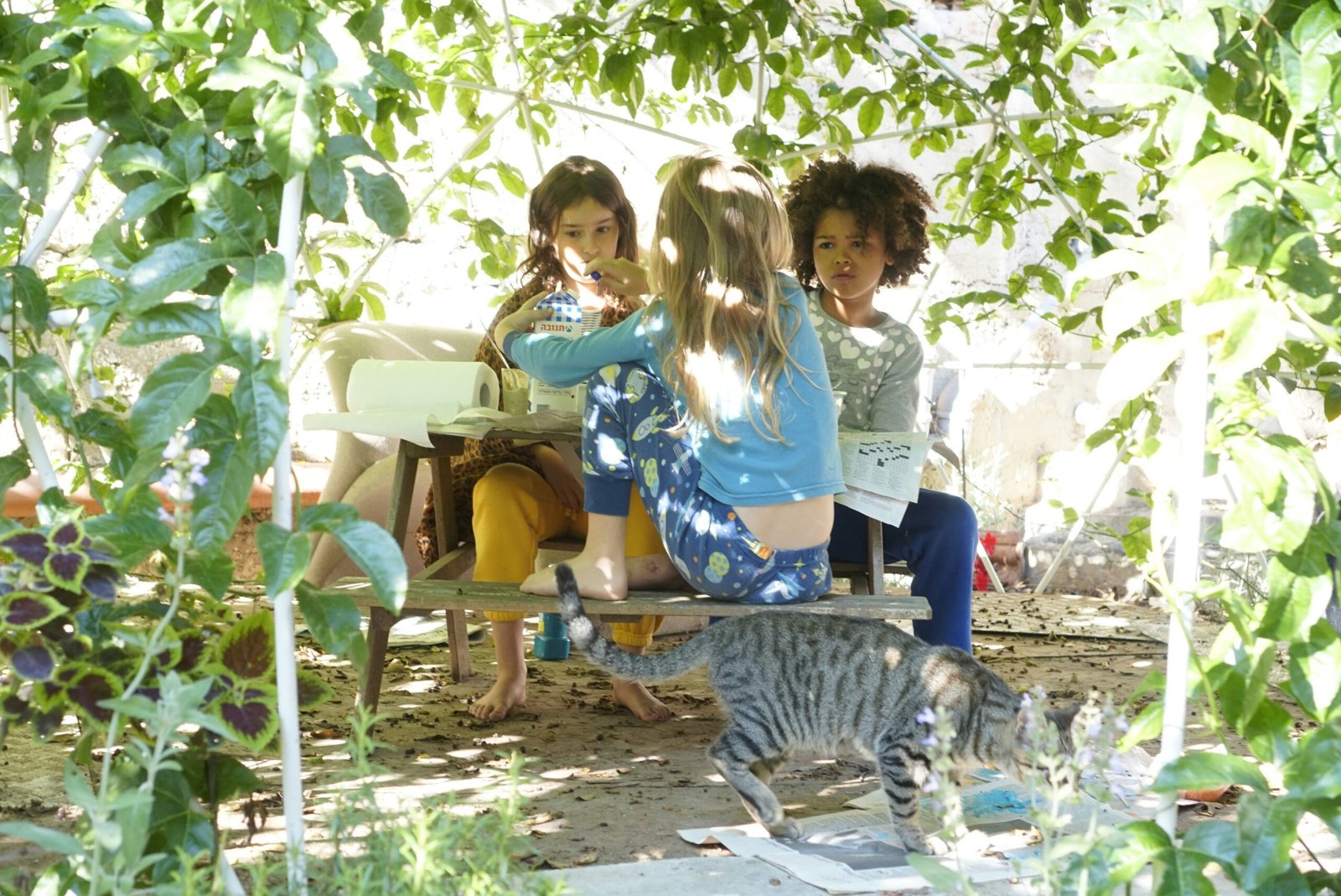
- Start a home garden to grow your own vegetables and herbs. This teaches kids about the importance of growing food sustainably and eating locally.
- Use eco-friendly paints and sustainable furniture made from wood sourced responsibly.
Tip: Take your kids to local farmers’ markets to teach them about where their food comes from and the benefits of supporting local, sustainable agriculture.
4. Adopt a Plant-Based or Eco-Conscious Diet
Why It Matters:
The food choices we make significantly impact the environment. Meat and dairy production contribute to greenhouse gas emissions, while processed foods often come with excessive packaging. By adopting a more plant-based or eco-conscious diet, your family can reduce its carbon footprint.
How to Do It:
- Introduce more plant-based meals into your family’s diet. You don’t have to go fully vegan, but try to have “Meatless Mondays” or cook plant-based meals a few times a week.
- Buy organic and locally sourced produce to reduce the environmental impact of transporting food long distances.
- Reduce food waste by meal planning and using leftovers creatively. Teach kids to love their food and avoid unnecessary waste.
Tip: Get your kids involved in the kitchen by growing your own herbs or vegetables and preparing simple, plant-based meals together.
5. Foster a Connection with Nature
Why It Matters:
Children who have a strong connection to nature are more likely to care about the environment and take steps to protect it. Encouraging outdoor play and exploration helps kids develop an appreciation for the natural world.
How to Do It:
- Spend time outdoors regularly. Take your kids to the park, go for hikes, or visit local nature reserves to help them connect with nature.
- Encourage nature-based activities like bird watching, gardening, or even building a small outdoor compost bin.
- Teach kids about biodiversity by observing local wildlife and plants and discussing how every species plays a role in the ecosystem.
Tip: If you live in an urban area, try to create your own nature space at home with plants, a small garden, or an indoor herb garden.
6. Lead by Example
Why It Matters:
Children learn by observing their parents. If you want your kids to adopt sustainable habits, it’s essential to model eco-friendly behaviors in your own life.
How to Do It:
- Practice what you preach—if you want your kids to recycle, make sure you’re doing it too. Set an example by using reusable shopping bags, composting, or reducing your energy consumption.
- Share with them why sustainable living matters and how the small actions you take as a family contribute to a better planet.
- Teach them to respect resources—whether it’s turning off the lights when leaving a room, conserving water, or being mindful of electricity use.
Tip: Use everyday moments as opportunities to teach eco-friendly habits. For example, explain why it’s important to reduce water waste while washing dishes or why you prefer eco-friendly brands when shopping.
Conclusion: Raising Eco-Friendly Kids Starts with Small Steps
Raising kids sustainably in 2025 doesn’t require a radical overhaul of your lifestyle. By making small, intentional changes—whether it’s teaching your kids about recycling, choosing eco-friendly products, or spending more time outdoors—you can have a lasting impact on both your family and the planet.
Instilling sustainable habits in your children at a young age will help them develop into eco-conscious adults who understand the importance of taking care of the Earth. The key is to make sustainability a fun and natural part of your family’s routine. In doing so, you’ll not only create a healthier, greener home but also ensure that your kids grow up with a deep respect for the world around them.
Remember, it’s not about perfection—it’s about making mindful choices that align with your family’s values and contribute to a better future for all.