Luxury Fashion: Is It Worth the Investment?
Luxury fashion has always been seen as the epitome of style, quality, and status. From timeless designer bags to bespoke clothing, the allure of luxury items often comes with a hefty price tag. But with so many options available—luxury brands, collaborations, and limited-edition pieces—it’s natural to wonder: Is luxury fashion really worth the investment?
The answer isn’t as simple as “yes” or “no.” It depends on factors like your personal values, fashion priorities, and long-term goals. Let’s break down the pros and cons to help you determine if investing in luxury fashion is right for you.
Why Luxury Fashion Is Worth the Investment
1. Timeless Quality and Durability
- High Craftsmanship: Luxury brands are known for their attention to detail, top-notch craftsmanship, and use of superior materials. Whether it’s a designer leather bag, a tailored suit, or a cashmere sweater, luxury fashion items are often built to last. Many of these pieces can withstand the test of time in both style and durability.
- Long-Term Wear: Investing in a luxury coat, pair of shoes, or handbag means you’re buying something that’s designed for longevity. Instead of purchasing cheaper, lower-quality pieces that wear out after a season, luxury items can often last for years, even decades, with proper care.
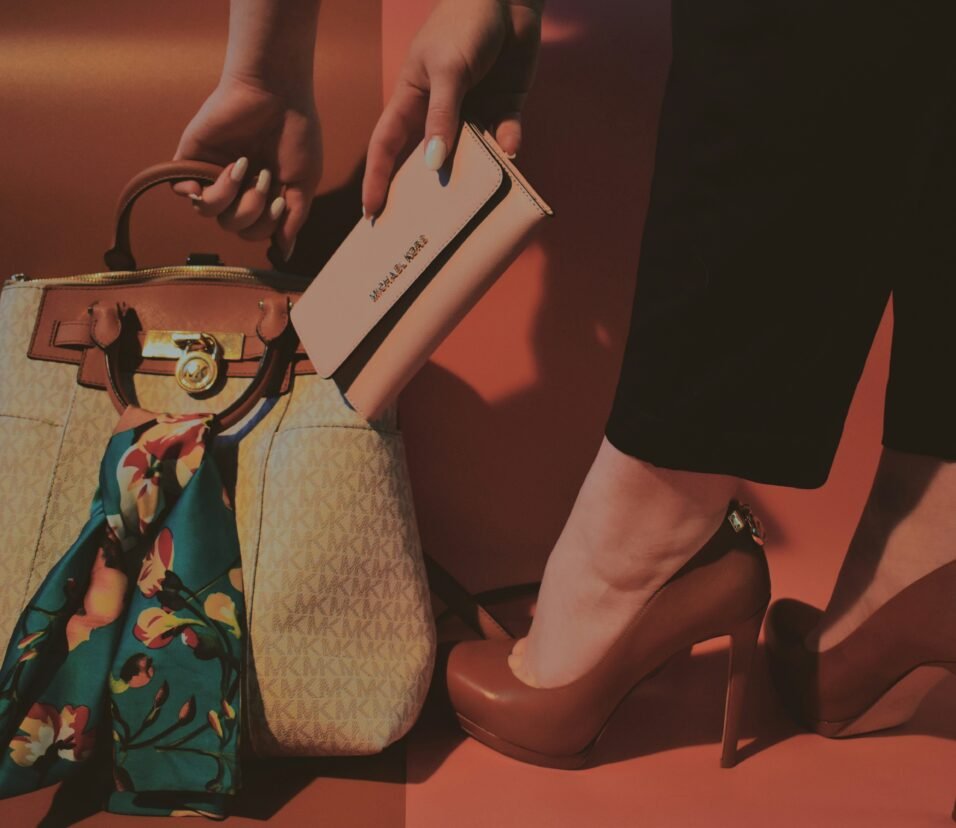
Example: A well-made leather bag from a brand like Louis Vuitton or Chanel can last a lifetime with minimal upkeep, whereas a fast-fashion version might fall apart after one or two seasons.
2. Sustainable and Ethical Practices
- Better Materials: Many luxury brands prioritize using natural, high-quality fabrics like organic cotton, silk, and leather, which tend to be more sustainable than the synthetic fibers found in mass-produced fast fashion.
- Ethical Manufacturing: Some luxury brands have taken steps toward ethical and sustainable production practices, including using eco-friendly dyes, reducing waste, and committing to fair labor practices. This shift is part of a broader movement within the fashion industry toward more conscious consumption.
Example: Brands like Stella McCartney and Patagonia lead the way in ethical fashion, offering eco-conscious products that don’t sacrifice style or quality.
3. Iconic Status and Resale Value
- Status Symbol: Wearing a luxury piece is often associated with prestige and success. While this isn’t the primary reason to invest in luxury fashion, it can’t be denied that designer items convey a sense of exclusivity.
- Resale Potential: Many luxury items, especially iconic bags, shoes, and watches, can retain or even appreciate in value over time. The resale market for luxury fashion is booming, with platforms like The RealReal and Vestiaire Collective making it easier to buy and sell secondhand high-end goods.
Example: A Chanel Classic Flap bag might increase in value over the years, depending on its condition, rarity, and demand, while a trendy piece from a fast-fashion brand will typically depreciate in value.
4. Personal Satisfaction and Confidence
- Feel-Good Factor: There’s no denying the joy and satisfaction that comes with owning a luxury item. The experience of unboxing a designer handbag or wearing a tailored suit can be a major confidence booster. Fashion is about self-expression, and wearing luxury pieces that reflect your personal taste can elevate your entire wardrobe.
- Crafted for You: Many luxury brands offer bespoke or made-to-measure services, giving you an exclusive experience that mass-produced fashion can’t replicate. Customization adds an element of uniqueness and exclusivity to your wardrobe.
Drawbacks: When Luxury Fashion May Not Be Worth the Investment
1. High Price Tag
- Upfront Cost: The most obvious downside to luxury fashion is the high price. Many people simply can’t justify spending thousands of dollars on a handbag or designer shoes when they can find a similar look for a fraction of the cost. While luxury goods tend to last longer, the initial financial outlay is significant.
Example: A classic Louis Vuitton Speedy bag can cost over $1,000, whereas a similar style from a fast-fashion retailer might be priced under $100. The question then becomes: Is the price difference worth it for the quality and longevity?
2. Fashion Cycles and Trends
- Trendy vs. Timeless: While items from luxury brands tend to be timeless, luxury fashion houses often release seasonal collections that are trendy and may not stand the test of time. If you’re buying a luxury item that’s in line with a fleeting trend, it may not hold its value or longevity as much as an iconic classic.
- Seasonal Pieces: Buying something purely based on current trends could lead to buyer’s remorse when the season ends and the piece feels outdated. This is especially true for high-fashion items like designer footwear or clothing that may not have the same staying power as a handbag or accessory.
Example: A limited-edition collection from a designer brand might be hot for one season but fade into obscurity the next, making it harder to resell or continue wearing without feeling out of place.
3. Maintenance Costs
- Upkeep: Luxury items often require proper care to maintain their quality. High-end leather bags, silk clothing, and expensive shoes may need professional cleaning, conditioning, or repairs, which can add up over time.
- Storage: Some luxury items, especially handbags and shoes, need to be stored in a certain way to preserve their shape and longevity. This might mean additional costs for storage solutions, such as dust bags, boxes, or climate-controlled spaces.
Example: A luxury leather handbag may need to be cleaned and conditioned regularly, which could involve additional costs and care instructions to avoid damage from wear and tear.
4. Overemphasis on Status
- Pressure to Maintain Image: Luxury fashion often comes with societal expectations, especially if you invest heavily in high-end items. For some, there’s pressure to constantly update their wardrobes and maintain the “luxury” image, which can lead to unnecessary consumption or financial stress.
- Value vs. Status: For some people, buying luxury items may feel more about displaying status rather than valuing the actual craftsmanship or longevity of the piece. This can lead to a less genuine relationship with fashion.
How to Make Luxury Fashion Work for You
If you’re on the fence about investing in luxury fashion, here are a few tips to make it a more thoughtful decision:
- Buy Timeless Pieces: Invest in classic items that won’t go out of style, such as a Chanel bag, a Burberry trench coat, or a tailored blazer from a designer like Saint Laurent. These pieces hold value over time and can be worn for years to come.
- Consider Resale Potential: If you’re buying luxury for investment purposes, research resale values before making a purchase. Some brands and specific items are more likely to hold or increase in value.
- Prioritize Quality Over Quantity: Instead of buying multiple fast-fashion items, save for one luxury item that will serve you for years. A high-quality item will often outlast several cheaper alternatives.
- Care for Your Investment: Luxury items need care. Learn how to properly maintain and store your high-end purchases to ensure they last for as long as possible.
Conclusion: Is Luxury Fashion Worth It?
Luxury fashion can be a rewarding investment, especially if you prioritize timeless pieces, quality, and durability. For those who value craftsmanship, unique design, and sustainability, the investment in luxury pieces can be worthwhile, both for personal enjoyment and long-term use. However, it’s important to weigh the costs, trends, and maintenance involved. Ultimately, whether luxury fashion is worth it depends on your values, your budget, and how you define “value” in fashion.
If you’re ready to make luxury fashion a part of your wardrobe, make sure it aligns with your personal style and goals, and remember that quality over quantity should always be the guiding principle. 🌟