
Self-Care Rituals to Boost Your Mental Health in 2025
In 2025, we’re more aware than ever of the importance of taking care of our mental health. With the increasing pace of life, constant digital distractions, and the pressures of balancing work, family, and personal growth, it’s easy to let mental well-being slip to the back burner. But, in order to be our best selves, we need to prioritize our mental health just as much as our physical health.
Self-care is about more than just occasional “me-time” or indulging in a spa day—it’s about building sustainable, daily habits that nourish your mind, body, and soul. Here are self-care rituals you can adopt in 2025 to boost your mental health and help you live a more balanced, peaceful, and joyful life.
1. Digital Detox: Unplug to Recharge
In 2025, we’ve all grown more aware of the need to step away from our screens regularly. Whether it’s social media, emails, or constant notifications, our digital world can be overwhelming and draining.
The Ritual:
Set aside dedicated times throughout the day to unplug from your devices. This could be a screen-free morning routine, a tech-free hour before bed, or even a whole weekend retreat from digital distractions.
Why it Helps:
- Reduces stress and digital burnout.
- Encourages presence in the moment.
- Helps improve sleep quality by avoiding blue light late at night.
2. Mindful Breathing and Meditation: Center Yourself
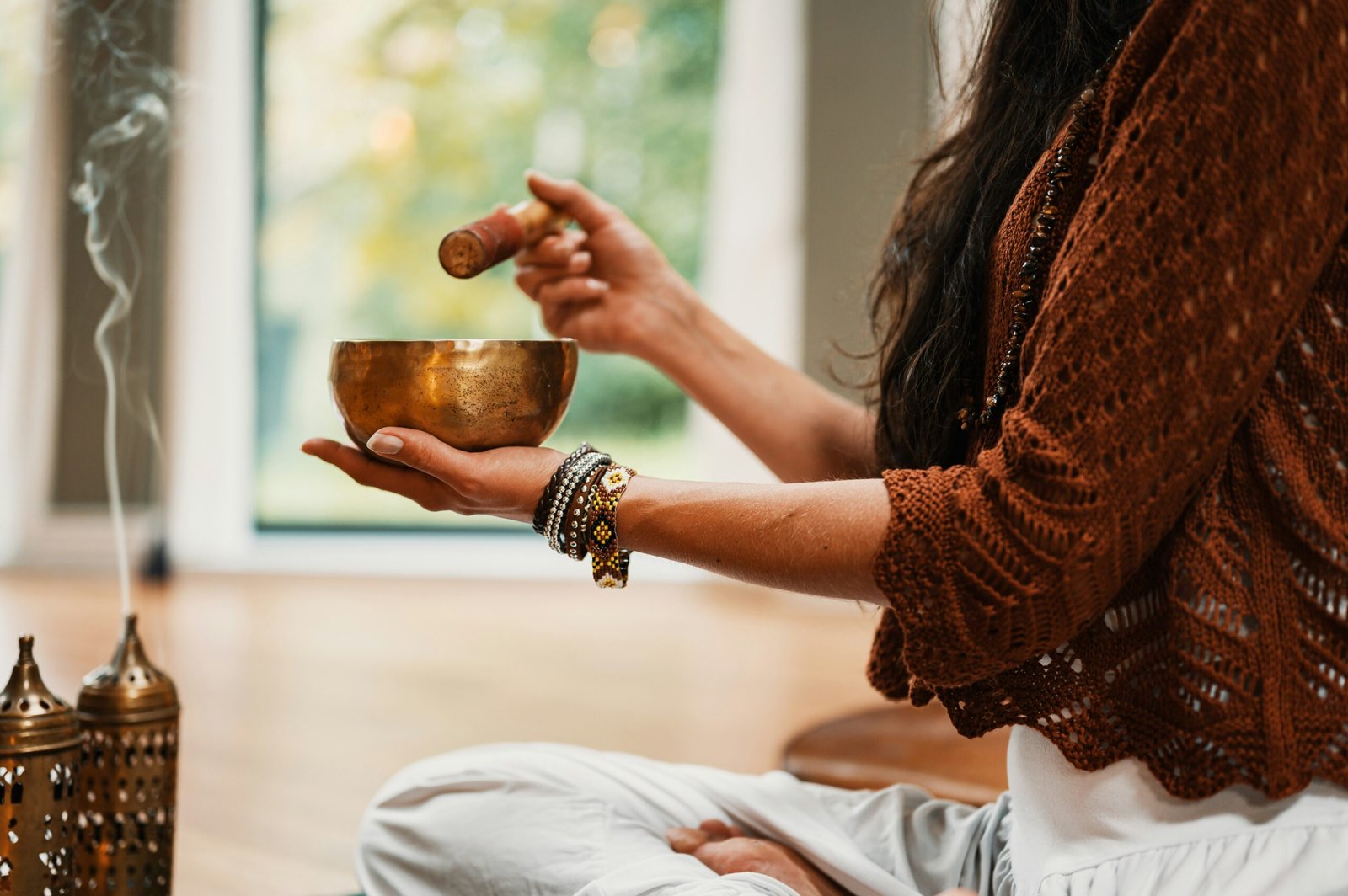
Mindfulness and meditation are powerful tools for managing stress, anxiety, and overwhelm. In 2025, these practices have evolved with a focus on intentional breathing techniques and guided mindfulness apps that make it easier than ever to access moments of calm.
The Ritual:
Spend 5-15 minutes each day in a quiet space, practicing mindful breathing or meditation. Use apps like Calm or Headspace for guided sessions, or simply focus on slow, deep breaths, inhaling for a count of four, holding for four, and exhaling for four.
Why it Helps:
- Reduces anxiety and stress.
- Improves focus and concentration.
- Promotes emotional resilience and mental clarity.
3. Nature Therapy: Ground Yourself in the Outdoors
In 2025, people are realizing more than ever that nature holds the power to restore our mental health. Nature therapy, or eco-therapy, is a growing trend where spending time outdoors becomes a ritual that helps combat the effects of stress, anxiety, and depression.
The Ritual:
- Take a daily walk outside, even if it’s just in a local park or your backyard.
- Try to incorporate mindful walking—paying attention to each step, the sounds of nature, the breeze, and the scents around you.
- Plan nature-based retreats or weekend trips to fully immerse yourself in natural environments.
Why it Helps:
- Nature has a calming effect that lowers cortisol levels (the stress hormone).
- Fresh air and exposure to sunlight can boost serotonin levels.
- Reduces symptoms of depression and anxiety, enhancing overall mental well-being.
4. Journaling: Reflect and Release
Journaling has been a timeless self-care practice that encourages reflection and emotional expression. In 2025, more people are turning to journaling not only for creativity but as a way to process emotions and manage mental health.
The Ritual:
- Set aside 10-15 minutes each day to write freely in a journal.
- Use prompts like “What am I grateful for today?” or “What’s one thing I can do today to take care of myself?”
- Try bullet journaling to track your mood, habits, or progress toward goals.
Why it Helps:
- Helps process emotions and thoughts.
- Reduces anxiety by organizing mental clutter.
- Boosts self-awareness and fosters gratitude.
5. Nourishing Your Body: Mental Health Starts with Nutrition
What you eat directly impacts how you feel. In 2025, there’s an increased focus on nourishing foods that support brain health, with a deeper understanding of the gut-brain connection. Incorporating these foods into your routine can elevate your mood and improve cognitive function.
The Ritual:
- Start your day with a mindful breakfast rich in omega-3 fatty acids (like chia seeds, walnuts, or fish) to boost brain function.
- Incorporate gut-friendly foods like fermented vegetables, kombucha, or probiotics, which are linked to better mental health.
- Avoid sugary snacks or processed foods that can lead to mood swings or fatigue.
Why it Helps:
- Proper nutrition supports neurotransmitter function, improving mood regulation.
- A healthy gut can reduce symptoms of anxiety and depression.
- Eating nutrient-dense foods helps stabilize energy levels throughout the day.
6. Movement and Stretching: Free Your Mind Through the Body
Exercise has always been a cornerstone of mental health, but in 2025, people are increasingly focused on gentle movement and stretching routines that promote relaxation and mindfulness.
The Ritual:
- Practice yoga or Pilates to engage both your body and mind in gentle, restorative movement.
- Try a morning stretching routine to release tension and get the blood flowing.
- Include walking in your daily routine for both physical and mental benefits.
Why it Helps:
- Exercise releases endorphins, which are natural mood boosters.
- Yoga and stretching can help alleviate anxiety and improve flexibility.
- Movement helps release stored tension and stress in the body.
7. Sleep Hygiene: Prioritize Restful Sleep
Sleep has always been a cornerstone of good mental health, but it’s often overlooked in the hustle of daily life. In 2025, we’re focusing on sleep hygiene as an essential part of our self-care routines.
The Ritual:
- Establish a consistent bedtime and create a relaxing pre-sleep routine, such as reading or listening to calming music.
- Limit screen time an hour before bed to improve sleep quality.
- Use aromatherapy—essential oils like lavender or chamomile can promote relaxation and improve sleep.
Why it Helps:
- A good night’s sleep improves mood, memory, and cognitive function.
- Sleep restores the brain and body, helping to reduce stress and anxiety.
- Helps you feel more balanced and energized for the day ahead.
8. Connecting with Loved Ones: Strengthen Your Support System
In 2025, people are recognizing the importance of emotional connection for mental health. Whether it’s family, friends, or a supportive community, having strong relationships can provide a sense of belonging and emotional resilience.
The Ritual:
- Make time for quality connections with loved ones, whether through in-person gatherings or video calls.
- Participate in community activities or volunteer to foster a sense of connection.
- Practice active listening when engaging with others, creating space for meaningful conversations.
Why it Helps:
- Strong social connections are linked to lower rates of anxiety and depression.
- Emotional support helps buffer against stress and improves resilience.
- Feeling connected to others enhances your sense of purpose and belonging.
9. Creative Expression: Tap into Your Inner Artist
Creativity is a therapeutic outlet for emotions and can significantly boost mental well-being. In 2025, people are rediscovering the power of creative hobbies to unwind and express themselves.
The Ritual:
- Try painting, drawing, or crafting as a way to relax and focus your mind.
- Write poetry, songs, or short stories to express your feelings.
- Engage in DIY projects that bring joy and creativity into your environment.
Why it Helps:
- Creative expression reduces stress and increases feelings of accomplishment.
- Engaging in art improves cognitive function and emotional health.
- Creativity enhances mindfulness by focusing your attention on the present moment.
10. Gratitude Practice: Shift Your Perspective
Gratitude is a simple yet profound way to improve your mental health. In 2025, people are increasingly making gratitude practices a daily ritual that helps foster a positive mindset and emotional well-being.
The Ritual:
- Start each day by writing down three things you’re grateful for.
- Reflect on positive moments or people in your life before bed.
- Use gratitude journals or apps like Grateful to keep track of your daily blessings.
Why it Helps:
- Gratitude helps shift focus away from negative thoughts and promotes a positive outlook.
- Practicing gratitude reduces stress and increases overall happiness.
- A gratitude practice encourages a deeper sense of contentment and satisfaction in life.