
VR Headsets in 2025: Reviews and What’s New in Virtual Reality
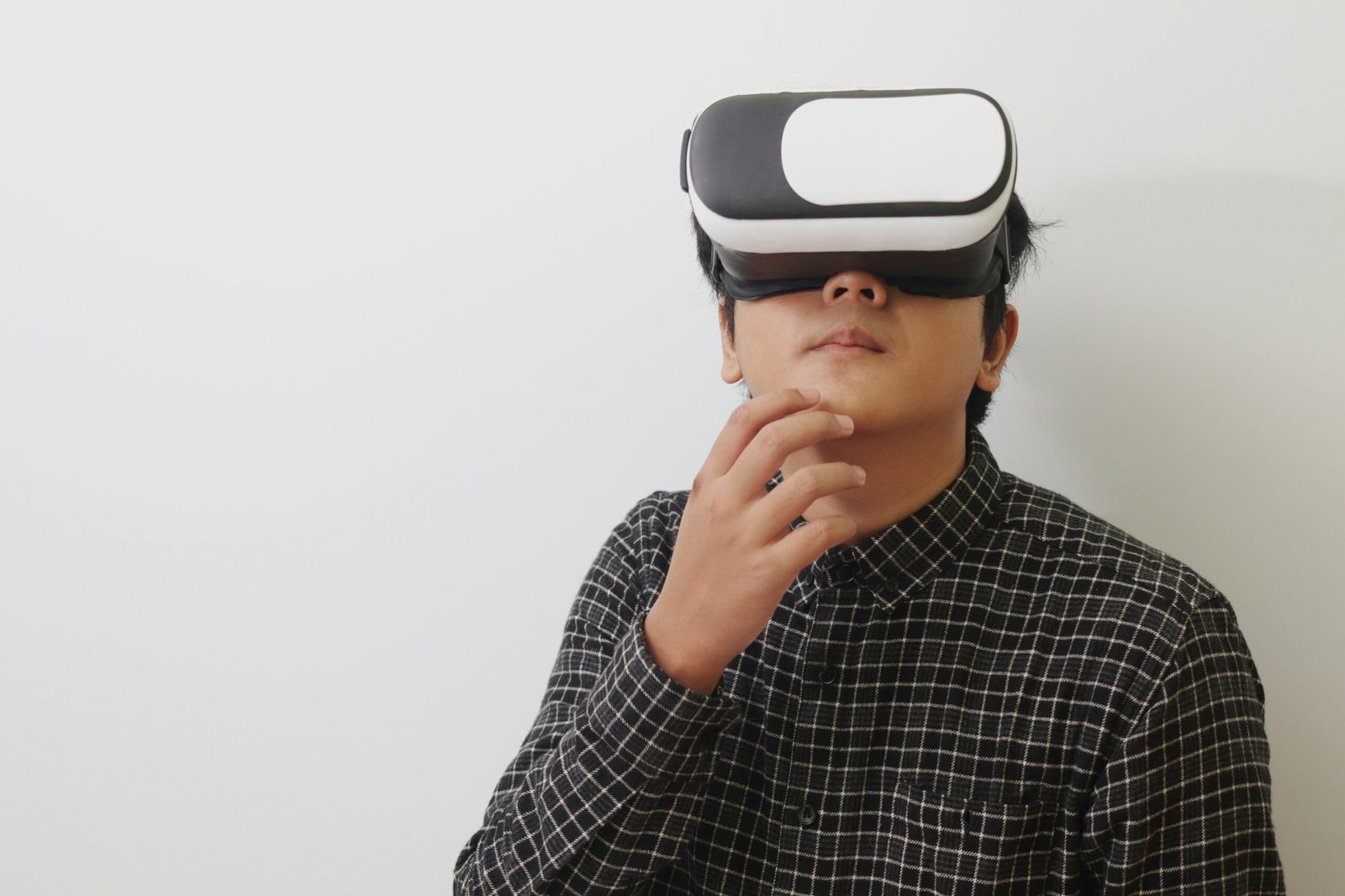
Virtual Reality is no longer just for gamers. In 2025, VR has expanded into education, fitness, remote work, and even therapy. With major tech players refining their headsets and smaller companies entering the market, there’s a headset for every use case and budget.
Whether you’re diving into immersive storytelling, exercising in virtual worlds, or attending a virtual meeting in a digital boardroom, here’s what’s new—and what’s best—in the world of VR this year.
🔍 What’s New in VR for 2025?
- Higher-resolution displays for sharper visuals
- Eye tracking and facial expression capture becoming standard
- Lighter, more comfortable headsets with improved battery life
- Mixed Reality (MR) blending virtual and physical environments
- Standalone devices eliminating the need for high-powered PCs
🎮 Top VR Headsets of 2025 — Reviewed
1. Apple Vision Pro 2
Best for: Premium mixed reality, productivity, and immersive content
Why it’s great: Apple’s second-gen headset builds on the Vision Pro with a lighter design, better eye tracking, and more content integrations, including productivity tools and immersive entertainment.
Pros:
- Stunning 4K+ resolution per eye
- Smooth integration with the Apple ecosystem
- Top-tier passthrough for mixed reality
Cons:
- Very expensive (~$3,000)
- Still lacks some core gaming titles
2. Meta Quest 4
Best for: All-around value, gaming, and social VR
Why it’s great: Meta’s latest Quest improves upon the Quest 3 with better mixed reality, upgraded comfort, and a new AI-powered personal assistant built into the OS.
Pros:
- Affordable ($499–$699 range)
- Wireless and standalone
- Great app ecosystem (gaming, fitness, social)
Cons:
- Visuals not as sharp as premium models
- Battery life could be better (~2.5 hours)
3. Valve Index 2 (PC VR)
Best for: Hardcore PC gamers and immersive VR purists
Why it’s great: With next-gen fidelity and wide FOV, Valve’s new Index is a top-tier option for those with a high-end gaming rig.
Pros:
- Superior hand tracking and refresh rate
- Large modding and SteamVR support
- Highly immersive with external base stations
Cons:
- Tethered to PC
- Setup and space requirements
4. Pico 5 Pro
Best for: Enterprise training and international users
Why it’s great: Owned by ByteDance, the Pico 5 Pro is quietly gaining ground in the VR world, especially for education and workplace applications.
Pros:
- Good resolution and performance
- Open platform (Android-based)
- Strong enterprise support
Cons:
- Limited U.S. content library
- Smaller developer ecosystem than Meta or Apple
5. PlayStation VR2
Best for: Console gamers
Why it’s great: With top-notch optics and PS5 integration, PS VR2 remains a solid option for console-based VR gaming.
Pros:
- Fantastic OLED display
- Immersive haptics in controllers and headset
- Works seamlessly with PlayStation 5
Cons:
- Requires a PS5
- Smaller game catalog than PC VR
⚖️ Final Verdict: Which One Should You Choose?
| Use Case | Best Headset |
|---|---|
| Best Overall Value | Meta Quest 4 |
| Best for Work/Productivity | Apple Vision Pro 2 |
| Best for PC Gamers | Valve Index 2 |
| Best for Console Users | PlayStation VR2 |
| Best for Business & Training | Pico 5 Pro |