

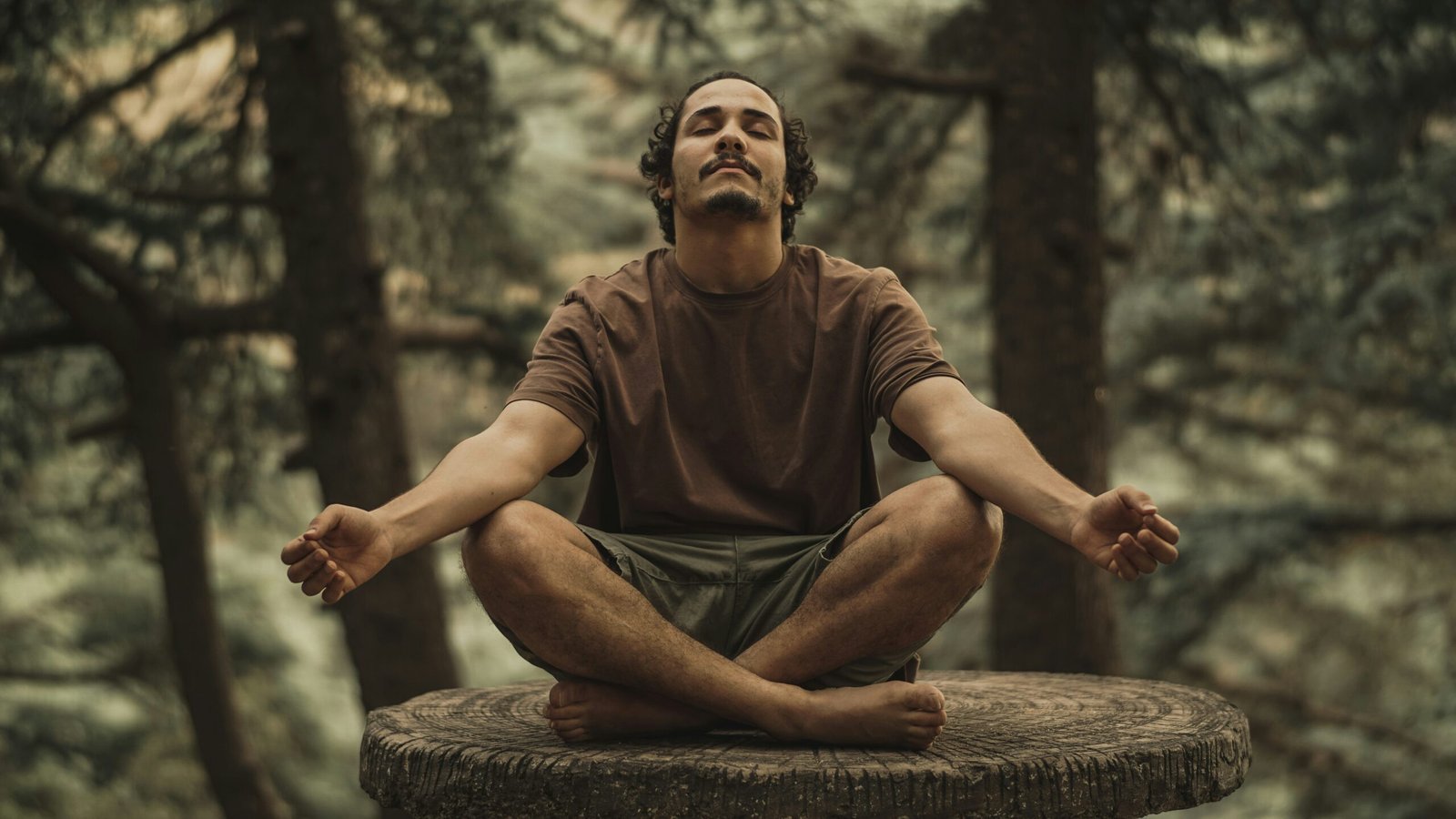
Mindfulness and Meditation: Daily Habits to Boost Your Mental Well-Being
In today’s fast-paced world, it’s easy to get caught up in the hustle and bustle of daily life. Stress, anxiety, and burnout can take a toll on our mental health, leaving us feeling overwhelmed. But there’s good news—mindfulness and meditation can help restore balance and improve our mental well-being. These practices aren’t just buzzwords; they’re science-backed tools that have been proven to reduce stress, improve focus, and promote emotional stability.
If you’re looking to bring more peace and clarity into your life, here are some simple ways to incorporate mindfulness and meditation into your daily routine.
What is Mindfulness?
Mindfulness is the practice of paying full attention to the present moment, without judgment. It involves being aware of your thoughts, feelings, bodily sensations, and the environment around you. In essence, mindfulness is about being fully “here” instead of worrying about the past or future.
Being mindful doesn’t mean trying to clear your mind or suppress negative thoughts—it’s about observing your thoughts and emotions without getting caught up in them. This practice helps you develop a greater sense of self-awareness, which in turn promotes better decision-making, emotional regulation, and stress reduction.
What is Meditation?
Meditation is a formal practice that encourages focused attention and awareness. Unlike mindfulness, which can be practiced throughout the day, meditation usually involves setting aside dedicated time to sit in stillness, focus your mind, and cultivate a sense of inner calm.
There are many types of meditation—guided meditation, breathing exercises, loving-kindness meditation, and body scans, to name a few. Each offers unique benefits, but they all share the same goal: to calm the mind, increase awareness, and reduce stress.
The Benefits of Mindfulness and Meditation
The scientific evidence supporting mindfulness and meditation is overwhelming. Regular practice has been shown to:
- Reduce Stress and Anxiety: By learning to stay in the present moment, you can better manage stress and reduce feelings of anxiety. Mindfulness helps to break the cycle of rumination (repetitive, negative thinking) and creates space for calm.
- Improve Focus and Concentration: Meditation improves your ability to concentrate by training the brain to focus on one task at a time, making it easier to stay on task and be productive.
- Enhance Emotional Regulation: Mindfulness helps you notice and process your emotions, allowing you to respond more thoughtfully rather than reacting impulsively.
- Boost Your Mood: Regular mindfulness and meditation practices have been linked to improved mood, less emotional reactivity, and increased feelings of happiness and well-being.
- Promote Better Sleep: Mindfulness and meditation can reduce the mental chatter that often keeps us up at night, leading to better, more restful sleep.
How to Incorporate Mindfulness and Meditation into Your Daily Routine
The beauty of mindfulness and meditation is that they can be practiced anytime and anywhere. Here are some practical tips to make them part of your daily habits:
1. Start Your Day with a Morning Mindfulness Practice
The way you start your day sets the tone for everything that follows. Instead of rushing through the morning, take a few moments to center yourself. This can help you start the day with calm and clarity.
- Mindful Breathing: Sit or stand comfortably and focus on your breath for 5-10 minutes. Breathe deeply in and out, paying attention to the sensation of air entering and leaving your body. If your mind wanders, gently bring your focus back to your breath.
- Mindful Eating: Instead of eating breakfast in a rush, take a moment to fully experience your meal. Pay attention to the taste, texture, and smell of your food. This simple practice helps you slow down and enjoy the present moment.
2. Set a Regular Meditation Time
Consistency is key when it comes to meditation. Setting aside dedicated time each day—whether in the morning, during lunch, or before bed—helps you build a lasting habit.
- Start Small: If you’re new to meditation, start with just 5-10 minutes per session. You can gradually increase the time as you feel more comfortable.
- Use Guided Meditations: Apps like Headspace, Calm, or Insight Timer offer free and paid guided meditations, which can help you stay focused and deepen your practice.
- Find a Comfortable Spot: Choose a quiet, comfortable space where you can sit undisturbed. Sit with your back straight, and either close your eyes or focus your gaze on a single point.
3. Practice Mindfulness Throughout the Day
Mindfulness doesn’t have to be reserved for formal meditation sessions. You can practice mindfulness throughout your day by simply bringing your attention to the present moment. Here are a few ways to weave mindfulness into daily activities:
- Mindful Walking: Take a short walk and pay attention to the sensation of your feet touching the ground, the sounds around you, and the movement of your body. This helps you stay present and grounded.
- Mindful Listening: When talking to someone, really listen to them without planning your response or getting distracted. Notice the tone of their voice, their words, and their body language.
- Mindful Tasks: Whether you’re washing dishes, folding laundry, or brushing your teeth, engage fully in the task at hand. Instead of letting your mind wander, focus on the sensation, sounds, and movements of the activity.
4. Use Mindful Breathing During Stressful Moments
Life can get stressful, but in those moments, a few minutes of mindful breathing can help calm your mind and body.
- Box Breathing: Inhale for 4 counts, hold for 4 counts, exhale for 4 counts, and hold for 4 counts. Repeat for a few cycles. This technique calms the nervous system and brings you back to the present moment.
- 5-4-3-2-1 Grounding Technique: If you’re feeling overwhelmed, use this technique to ground yourself. Name five things you can see, four things you can touch, three things you can hear, two things you can smell, and one thing you can taste.
5. Practice Gratitude Meditation
Gratitude meditation is a powerful way to boost your mental well-being. By focusing on the things you’re thankful for, you can shift your mindset to a more positive and appreciative state.
- Focus on the Positive: Set aside a few minutes each day to reflect on what you’re grateful for—whether it’s your health, relationships, or even small things like a warm cup of coffee.
- Loving-Kindness Meditation: Also known as metta meditation, this practice involves sending loving thoughts and good wishes to yourself and others. Start with yourself, then gradually extend these wishes to friends, family, strangers, and even people you may have difficulty with.
Final Thoughts: Small Habits, Big Results
Mindfulness and meditation may seem simple, but they are incredibly powerful tools for improving mental well-being. By incorporating these practices into your daily routine, you can reduce stress, improve focus, and cultivate a more positive mindset. Remember, it’s not about perfection; it’s about being present, with kindness and patience, for yourself and others.
Start with small steps—whether it’s a few minutes of breathing in the morning or a mindful walk during lunch—and watch how these simple habits transform your mental health over time.