
Sustainable Fashion: How to Build an Eco-Friendly Wardrobe
Fashion has long been associated with excess—excessive trends, excessive consumption, and, unfortunately, excessive waste. The fashion industry is one of the largest polluters in the world, but there’s hope. More and more people are shifting toward sustainable fashion choices that prioritize the planet and people over profit.
But how do you make the switch? Building a sustainable, eco-friendly wardrobe might sound daunting, but it’s easier than you think. Let’s explore how to craft a wardrobe that’s stylish, functional, and environmentally conscious.
What is Sustainable Fashion?
Sustainable fashion refers to clothing and accessories that are created with a focus on environmental and ethical responsibility. This includes using eco-friendly materials, ensuring fair labor practices, reducing waste, and promoting the longevity of garments. The idea is to reduce the environmental impact of the fashion industry while also creating products that are timeless, durable, and well-made.
Sustainable fashion isn’t just about buying from eco-friendly brands; it’s a shift in mindset and behavior—buying less, choosing wisely, and cherishing what you already own.
Why Sustainable Fashion Matters
The fashion industry is one of the leading causes of pollution worldwide. Fast fashion, which focuses on cheap, disposable clothing, has contributed significantly to the depletion of natural resources and has caused a massive amount of waste. Here are a few reasons why sustainable fashion matters:
- Environmental Impact: Conventional textile production uses vast amounts of water, pesticides, and synthetic chemicals, all of which contribute to pollution.
- Waste: Every year, millions of tons of clothing end up in landfills. Fast fashion trends contribute to this disposable culture.
- Ethical Labor: Many fast-fashion brands exploit workers in developing countries. Sustainable fashion often ensures fair wages and safe working conditions.
By embracing eco-friendly choices, we can minimize waste, reduce pollution, and support ethical practices in the fashion industry.
Steps to Build an Eco-Friendly Wardrobe
Building a sustainable wardrobe doesn’t mean throwing out everything you own and starting from scratch. It’s about making more mindful choices and gradually shifting your fashion habits. Here’s how to get started:
1. Declutter and Shop Less
It all begins with the clothes you already own. Start by evaluating your wardrobe. Do you have pieces you rarely wear? Are there items that no longer fit or that you don’t love?
- Purge responsibly: Donate or sell gently used items instead of tossing them. If you can’t donate, consider upcycling or repurposing garments.
- Adopt the “One In, One Out” Rule: For every new item you purchase, get rid of one. This keeps your wardrobe curated and prevents overconsumption.
2. Opt for Quality Over Quantity
Instead of buying multiple cheap items, focus on investing in high-quality, durable pieces that will last longer. Here’s what to look for:
- Materials Matter: Natural fibers like organic cotton, linen, wool, and hemp are more sustainable than synthetic fibers like polyester and nylon. Also, consider clothing made from recycled materials.
- Timeless Designs: Avoid trendy, one-season-only items. Choose classic styles that won’t go out of fashion quickly and can be worn for years.
3. Choose Ethical Brands
Support fashion brands that prioritize sustainability and fair labor practices. Here’s what to look for:
- Transparency: Sustainable brands should be open about where and how their clothes are made, the materials used, and the ethical practices in their production process.
- Certifications: Look for certifications like Fair Trade, GOTS (Global Organic Textile Standard), or B Corp that verify a brand’s commitment to sustainability and ethical practices.
- Eco-friendly Materials: Many sustainable brands use organic, recycled, or upcycled materials, reducing their environmental impact.
Some popular sustainable fashion brands include:
- Patagonia
- Reformation
- Everlane
- Allbirds
- Stella McCartney
4. Buy Second-Hand and Vintage
Buying second-hand clothing is one of the most sustainable choices you can make. Not only does it save money, but it also helps reduce waste by giving garments a second life. Here’s how to incorporate second-hand pieces into your wardrobe:
- Thrift Stores & Consignment Shops: These are goldmines for high-quality, gently used clothing. You can find vintage items or classic pieces that are no longer available in stores.
- Online Marketplaces: Websites like Poshmark, Depop, and ThredUp make it easy to buy second-hand fashion from the comfort of your home.
- Vintage Shops: Vintage stores are great for finding unique, high-quality pieces that have already stood the test of time.
5. Care for Your Clothes
Taking care of the clothes you already own is crucial for a sustainable wardrobe. By extending the life of your clothes, you reduce the need to buy more.
- Wash Less Frequently: Washing clothes less often helps preserve fabrics and reduces water usage.
- Air Dry: Instead of using a dryer, air-dry your clothes to conserve energy and protect the fabric.
- Repairs and Alterations: Fix small rips, buttons, or zippers instead of tossing the item. Many garments can be easily repaired, extending their lifespan.
- Store Properly: Hang clothes that wrinkle easily, fold items that might stretch, and store clothes in a cool, dry place to prevent wear and tear.
How to Build a Capsule Wardrobe
A capsule wardrobe is a collection of timeless, versatile pieces that can be mixed and matched to create a variety of outfits. It’s a great way to embrace sustainable fashion while keeping your wardrobe minimal. Here’s how to build one:
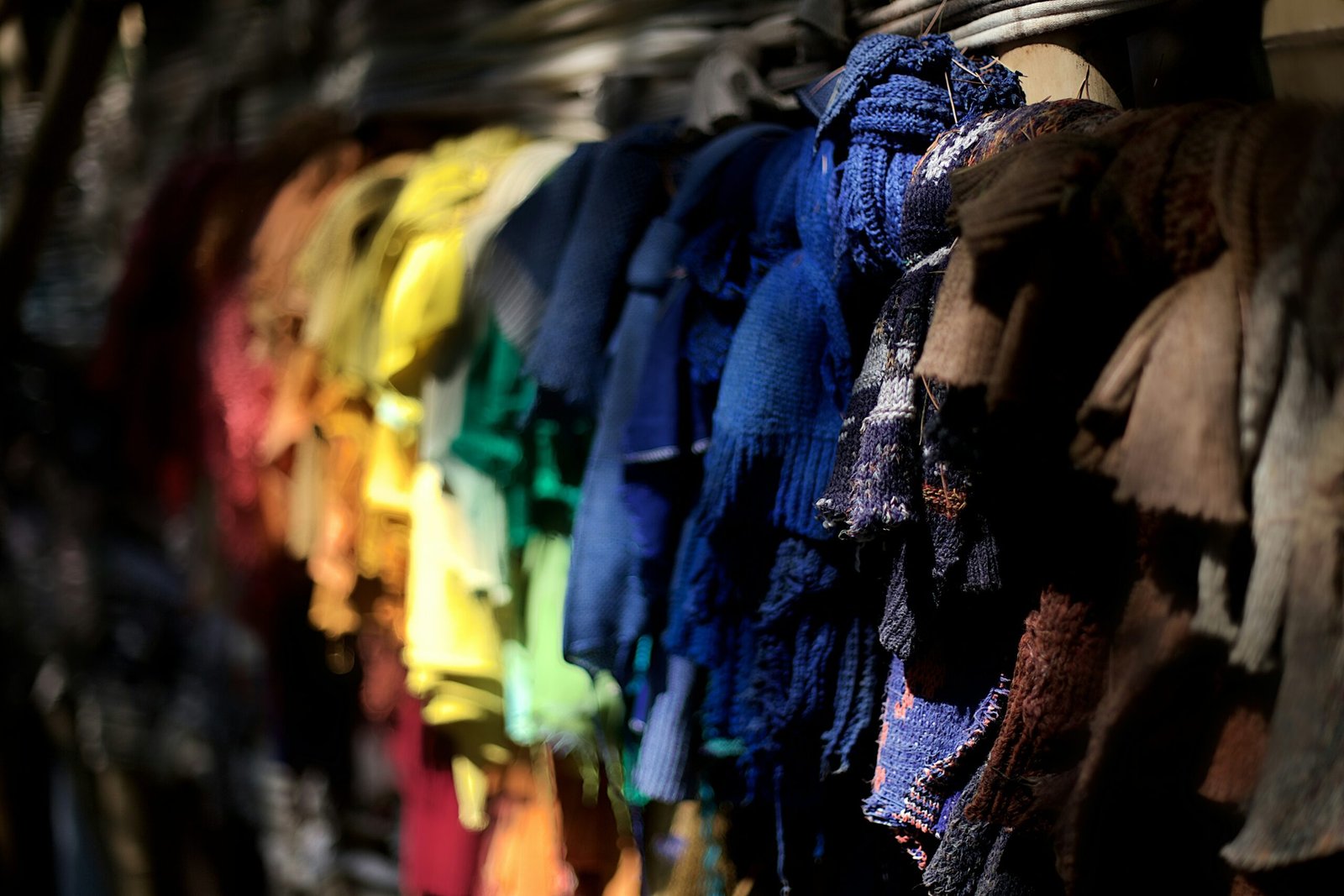
- Choose Neutral Colors: Stick to neutral tones (like black, white, beige, navy, and gray) that can be easily paired together.
- Select Versatile Pieces: Invest in items like a well-fitting pair of jeans, a quality t-shirt, a classic blazer, and comfortable shoes.
- Stick to Essentials: Your capsule wardrobe should be made up of high-quality basics that you can wear for multiple occasions. Avoid trendy, fast-fashion pieces.
- Buy Less, But Better: The idea is to have a smaller number of garments that are versatile, durable, and stylish, rather than a closet full of clothing you rarely wear.
Final Thoughts: Sustainability is a Journey
Building an eco-friendly wardrobe isn’t about being perfect; it’s about making conscious, intentional choices. It’s about buying less, investing in quality, and supporting brands that align with your values. As you start to incorporate more sustainable fashion into your life, remember that every small change counts. Whether it’s choosing second-hand pieces, buying from ethical brands, or simply caring for what you already own, you’re helping create a more sustainable future for fashion.